


10 Effective tips – potty training your puppy – proven methods
- Goldog Kennel
- Dec 9, 2025
- 3 min read

Potty training a puppy can feel overwhelming, especially when accidents happen frequently. Yet, with patience and the right approach, you can teach your puppy where and when to go. This guide offers practical tips that help you build good habits early, making life easier for both you and your furry friend.

Set a Consistent Schedule
Puppies thrive on routine. Feeding your puppy at the same times each day helps regulate their bathroom needs. Take your puppy outside:
First thing in the morning
After meals
After naps
Before bedtime
Every 1 to 2 hours during the day for young puppies
Consistency helps your puppy learn when to expect bathroom breaks and reduces accidents indoors.
Choose a Designated Potty Spot
Pick one spot outside where you want your puppy to relieve themselves. Always take your puppy to this spot. The familiar smells encourage them to go there again. This also helps you quickly recognize when your puppy needs to go. This is a good effective tips – potty training your puppy – proven methods
Use Clear Commands
Teach your puppy a simple phrase like “go potty” or “do your business.” Say the command calmly when you bring them to the potty spot. Praise them immediately after they finish. This links the command to the action and encourages repetition.
Watch for Signs Your Puppy Needs to Go
Puppies give signals before they need to go out. Look for behaviors like:
Sniffing the floor
Circling
Whining or pacing
When you see these signs, take your puppy outside right away. Acting quickly prevents accidents and reinforces good habits.

Reward Good Behavior
Positive reinforcement works best. When your puppy goes potty outside, immediately offer praise, treats, or affection. This helps your puppy associate going outside with positive experiences.
Avoid punishment for accidents. Instead, clean up calmly and focus on encouraging correct behavior.
Limit Access Indoors
Use baby gates or playpens to restrict your puppy’s access to the whole house. This helps you supervise better and catch signs they need to go. Puppies are less likely to have accidents when confined to a smaller area.
Crate Train Your Puppy
A properly sized crate can be a helpful tool. Puppies usually avoid soiling their sleeping area. Use the crate for short periods when you cannot supervise. Make sure the crate is comfortable and never use it for punishment.
Be Patient and Consistent
Potty training takes time. Some puppies learn quickly, while others need weeks or months. Stay calm and consistent with your routine. Celebrate small successes and keep encouraging your puppy.
Clean Accidents Thoroughly
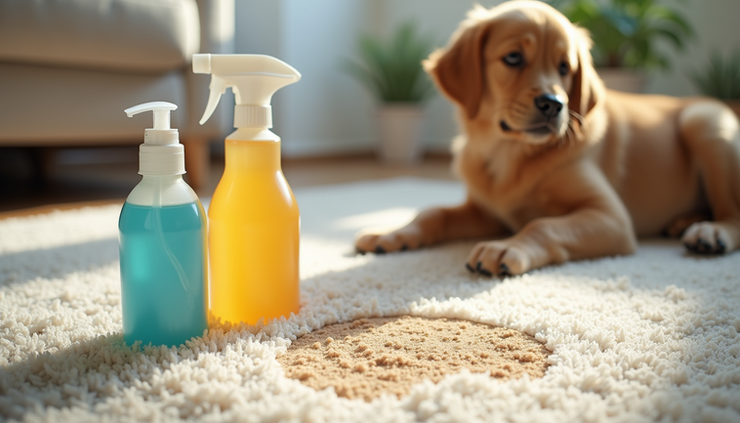
Use an enzymatic cleaner to remove all traces of urine or feces from indoor accidents. This prevents your puppy from returning to the same spot. Avoid ammonia-based cleaners, which can smell like urine and confuse your puppy.
Know When to Seek Help
If your puppy continues to have frequent accidents despite consistent training, consult your veterinarian. Medical issues like urinary tract infections can affect potty habits. A professional trainer can also offer personalized advice.
Potty training your puppy is a process that requires time, patience, and clear communication. By setting a routine, watching for signs, and rewarding good behavior, you build a strong foundation for your puppy’s success. Remember, every puppy learns at their own pace. Stay consistent and positive, and soon your puppy will understand where to go, making your home a happier place.


Comments